Free ovulation calculator
Find your fertile days in a few seconds
Enter the first day of your last period and your usual cycle length. The calculator estimates your ovulation day, your fertile window and your next period for the coming months.
- Runs in your browser, nothing is stored or sent
- Based on the standard cycle model doctors use
- Clear notes on what an estimate can and cannot tell you
Ovulation and fertile window calculator
More free tools
Other calculators
- Due date calculatorFrom your last period, conception date, IVF transfer or ultrasound.
- Period calculatorYour next six periods at a glance.
- Ovulation predictorHow ovulation is predicted, with a calculator for irregular cycles.
- Conception calculatorWork back from a due date to when conception likely happened.
How it works
How we estimate your fertile days
The calculator uses the calendar method that doctors and fertility clinics use for a first estimate. Ovulation usually happens about 14 days before a period starts, not 14 days after the last one. So we take the first day of your last period, add your cycle length to find your next expected period, and count back 14 days.
Your fertile window is the five days before ovulation plus ovulation day itself. Sperm can survive in the body for up to five days, while an egg lives for only about 12 to 24 hours after it is released. That is why the two or three days just before ovulation give the best chance of pregnancy.
If your cycles vary by more than a few days, enter your shortest cycle for the earliest possible fertile window, or read our guide to when you ovulate. An ovulation test or a temperature chart can confirm the day.
Most read
Popular guides
-
01
 CalculatorsDue Date Calculator: When Is Your Baby Due?
-
02
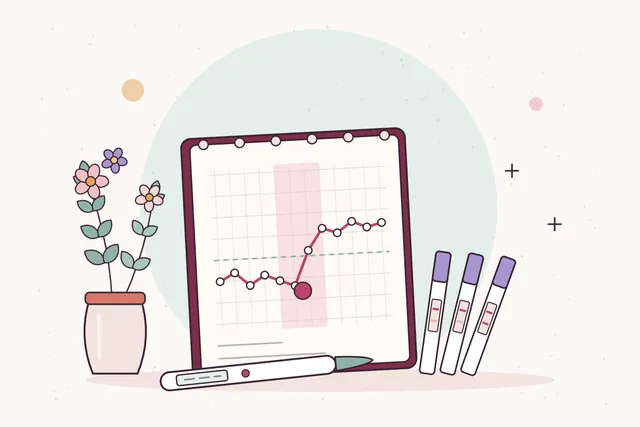 Ovulation GuidesSigns of Ovulation: How to Tell When You Ovulate and How Sure You Can Be
-
03
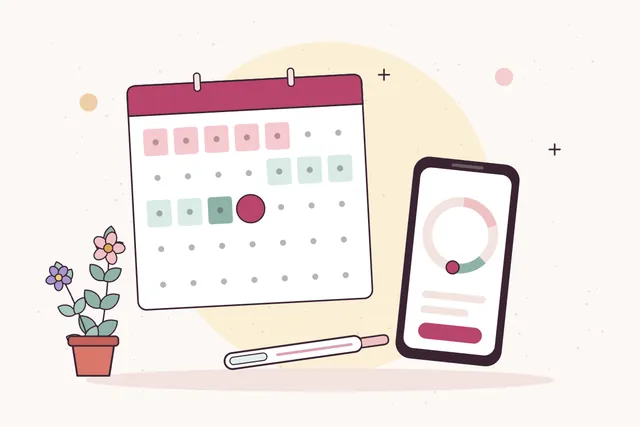 Ovulation GuidesWhen Do You Ovulate? Finding Your Day by Cycle Length
-
04
 Ovulation GuidesOvulation Tests: When to Start and How to Read Them
-
05
 Ovulation GuidesOvulation Pain (Mittelschmerz): Causes, Relief and When to Worry
-
06
 CalculatorsPeriod Calculator: When Will My Next Period Come?
Calculators
Ovulation, due date, period and conception calculators that run right in your browser.
-
 Calculators Conception Calculator: When Did I Get Pregnant?
Updated November 26, 2026
-
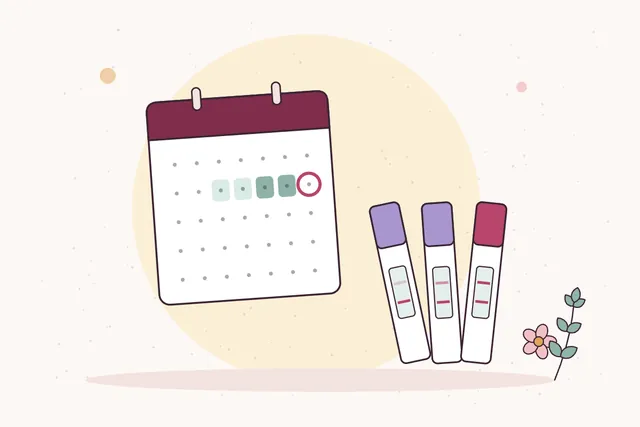 Calculators Ovulation Predictor: How to Predict Ovulation, Even With Irregular Cycles
Updated November 26, 2026
-
Calculators Period Calculator: When Will My Next Period Come?
Updated November 26, 2026
-
Calculators Due Date Calculator: When Is Your Baby Due?
Updated November 26, 2026
Ovulation Guides
How ovulation works, how to spot it and how to track it with tests and charts.
-
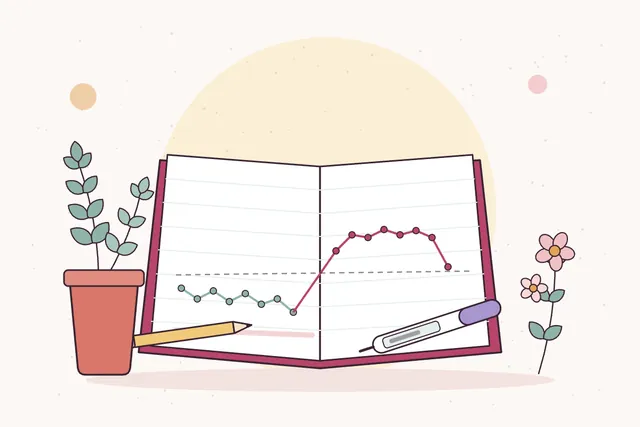 Ovulation Guides How to Chart Ovulation: Temperature, Mucus and LH
Updated November 26, 2026
-
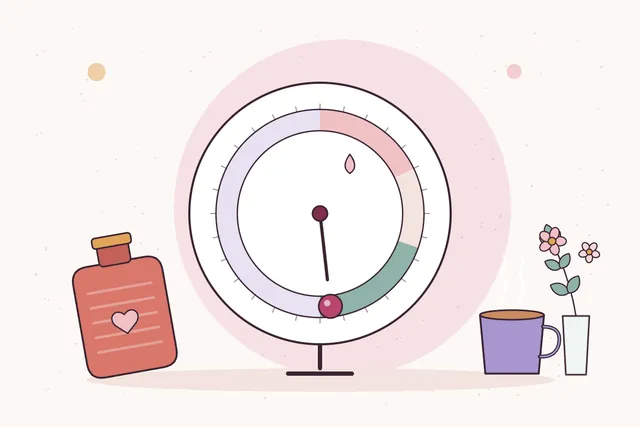 Ovulation Guides Ovulation and Your Period: How They Fit Together
Updated November 26, 2026
-
Ovulation Guides Ovulation Pain (Mittelschmerz): Causes, Relief and When to Worry
Updated November 26, 2026
-
 Ovulation Guides Ovulation Symptoms: What You Might Feel Around Mid-Cycle
Updated November 26, 2026
Good to know
Questions about the ovulation calculator
How accurate is an ovulation calculator?
For people with regular cycles it gives a useful first estimate, but it cannot see what your body is doing. Studies that tracked hormones found that ovulation day varies from cycle to cycle, even when periods arrive on time. Use the calculator to know roughly when to pay attention, and use ovulation tests, cervical mucus or a temperature chart to narrow it down.
Can I use this calculator to avoid pregnancy?
No. A calendar estimate is not reliable enough to prevent pregnancy, and an unexpected early ovulation can make a "safe" day fertile. If you want to avoid pregnancy, talk to a doctor or a family planning clinic about birth control.
What if my cycles are irregular?
Enter your shortest recent cycle to see the earliest your fertile window could start, then your longest to see the latest. If your cycles are often shorter than 21 days, longer than 35 days, or change by more than about a week from month to month, it is worth mentioning to a doctor, because it can be a sign that ovulation is not happening regularly.
Do you save the dates I enter?
No. The calculation runs entirely in your browser. The dates you type in are not stored and are not sent to us or anyone else.
When should I see a doctor about getting pregnant?
Guidance from the American College of Obstetricians and Gynecologists suggests seeing a doctor after 12 months of trying if you are under 35, after 6 months if you are 35 or older, and right away if you are over 40, have very irregular or absent periods, or know of a condition that affects fertility.
A trusted name, rebuilt with care
Ovulation Calculators first went online in 2013. In 2026 the site was rebuilt from scratch with new calculators and new guides, each one written against medical sources and updated when the guidance changes.
About us